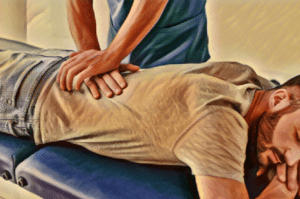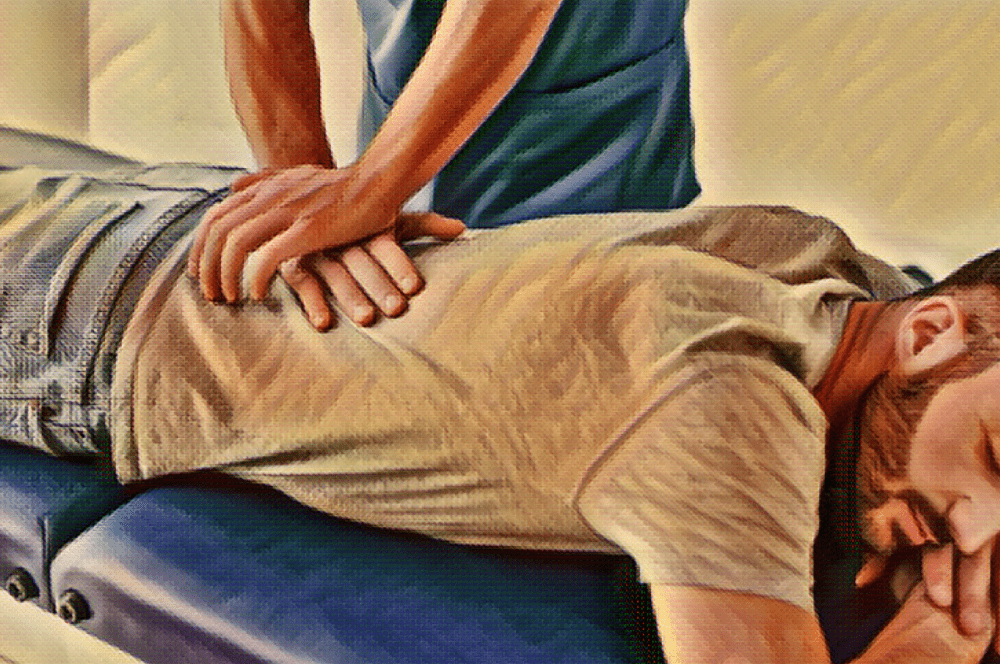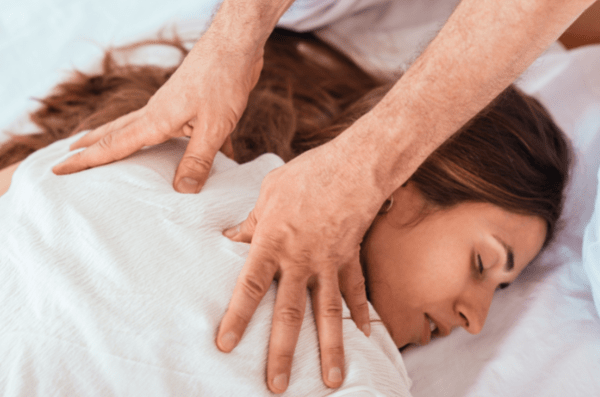
Advanced Massage Techniques (often referred to as Manual therapy) are what people of all ages are turning to for pain, injury, disease, and the relief from the stress of daily life. These types of advanced, restorative massage techniques are much more than a basic massage. They are often the answer to chronic and acute conditions, as well as to help maintain health and wellness. Our Licensed Massage Therapists have years of experience and training in treating patients with complicated medical conditions, such as cancer (an oncology massage therapist), Manual Lymph Drainage (MLD) for swelling, and using massage to enhance general health. We understand the “Art Of Relaxation.” and often combining the two or even three types of modalities, is exactly what the client needs. At Hands On, we are entrusted with the health of another human being, and we take this obligation very seriously. We offer a diverse number of techniques and modalities.
We offer an economical Self-Pay Program for families and individuals without insurance or with insurance we do not accept. These are the prices on this site.
You will find the best medical massage therapy and advanced massage techniques, in addition to wellness relaxation spa experiences, including wonderful Couple’s Spa Massages, right here in Commack, L.I. #thingstodoonlongisland
Even the Mayo Clinic recommends massage therapy!
Hands On HealthCare Massage Therapy, P.C. is a proud Recommended Community Provider for Memorial Sloan Kettering Cancer Center. You will understand why we are considered the physician’s choice with our advanced medical massage therapy and specialty programs. We accept NYSHIP and no-fault insurance for auto accidents and many insurance companies, are reimbursing our clients for their sessions.
We offer Great Massages , Great Prices and a Great amount of Experience!
You are in good, trustworthy hands with Hands On HealthCare! Our practice was established in 2000. Our reputation and reviews are second to none. Without you there is no us! We are passionate about what we do and we love what we do, hence, you will love what we do to! At Hands On we respect you and your time, therefore we run on time. In addition, our “hour” sessions are truly an hour of Hands On time, not the 50 minutes that other places refer to as an hour. So give us a call today and begin or continue your journey to good health and wellness!